David Vogel · 25 September 2026
Seasonal Migration Patterns and Their Effects on Livestock Breeding Cycles in Enclosed Highland Settlements
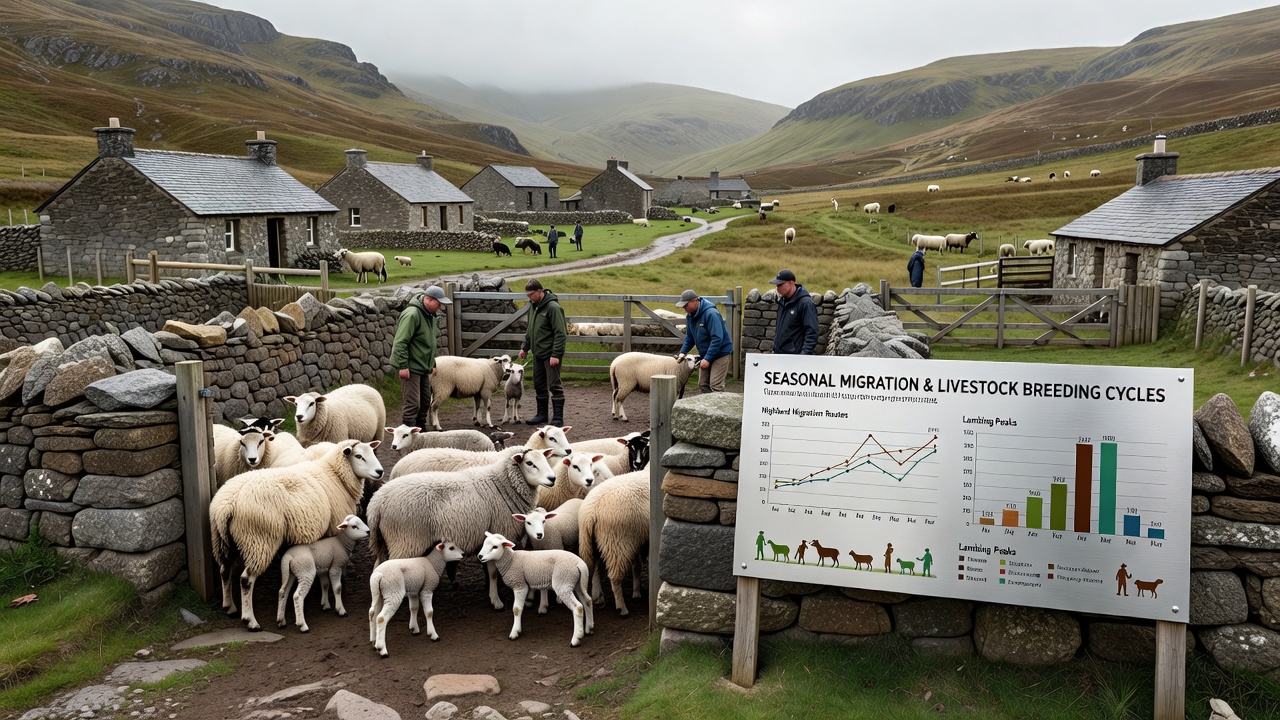
Seasonal migration patterns in enclosed highland settlements follow predictable cycles driven by altitude, temperature shifts, and forage availability, and these movements directly influence livestock breeding cycles through changes in nutrition, shelter access, and herd management timing. Enclosed settlements, which rely on fenced pastures and controlled grazing zones, create unique constraints compared to open-range systems, forcing herders to coordinate migrations within fixed boundaries while maintaining breeding schedules that align with peak grass growth periods. Researchers tracking these patterns across multiple highland regions note that breeding success rates fluctuate when migrations occur earlier or later than historical averages, particularly when snowmelt delays or accelerates by several weeks.
Timing of Highland Migrations and Environmental Triggers
Highland communities initiate upward migrations in spring as lower valleys warm, moving sheep, cattle, and goats to higher pastures where new grass emerges after winter snow cover recedes, and this timing typically spans March through May depending on latitude and elevation. Data collected through September 2026 from monitoring stations in alpine zones shows that temperature increases of two degrees Celsius over the past decade have shifted spring departures forward by an average of twelve days in several enclosed settlements, compressing the window available for pre-migration health checks and breeding assessments. Summer months keep herds at elevation where cooler conditions reduce parasite loads and improve weight gain, yet enclosed boundaries limit flexibility when drought reduces forage within the fenced areas, prompting earlier descents than traditional calendars allow.
Fall returns to lower settlements begin once frost damages high pastures, usually September through October, and this descent coincides with the final stages of gestation for many livestock species, creating additional demands on winter feed stores and sheltered birthing facilities. Observers note that rainfall patterns during the return migration affect hoof health and energy reserves, with excessive precipitation increasing the risk of lameness that can delay breeding readiness for the following season.
Impacts on Breeding Cycles and Reproductive Outcomes
Livestock breeding cycles in these settings synchronize with migration windows because nutritional intake peaks during summer highland grazing, supporting ovulation rates and embryo viability, while winter confinement in lower settlements limits caloric density and can extend postpartum recovery times. Studies from research institutions indicate that ewes returning from high pastures in optimal body condition conceive at rates twenty percent higher than those experiencing disrupted migrations due to early snow or fence damage. Cattle herds show similar patterns, with calving intervals lengthening when summer forage proves insufficient within enclosed zones, forcing supplemental feeding that alters natural hormone cycles.
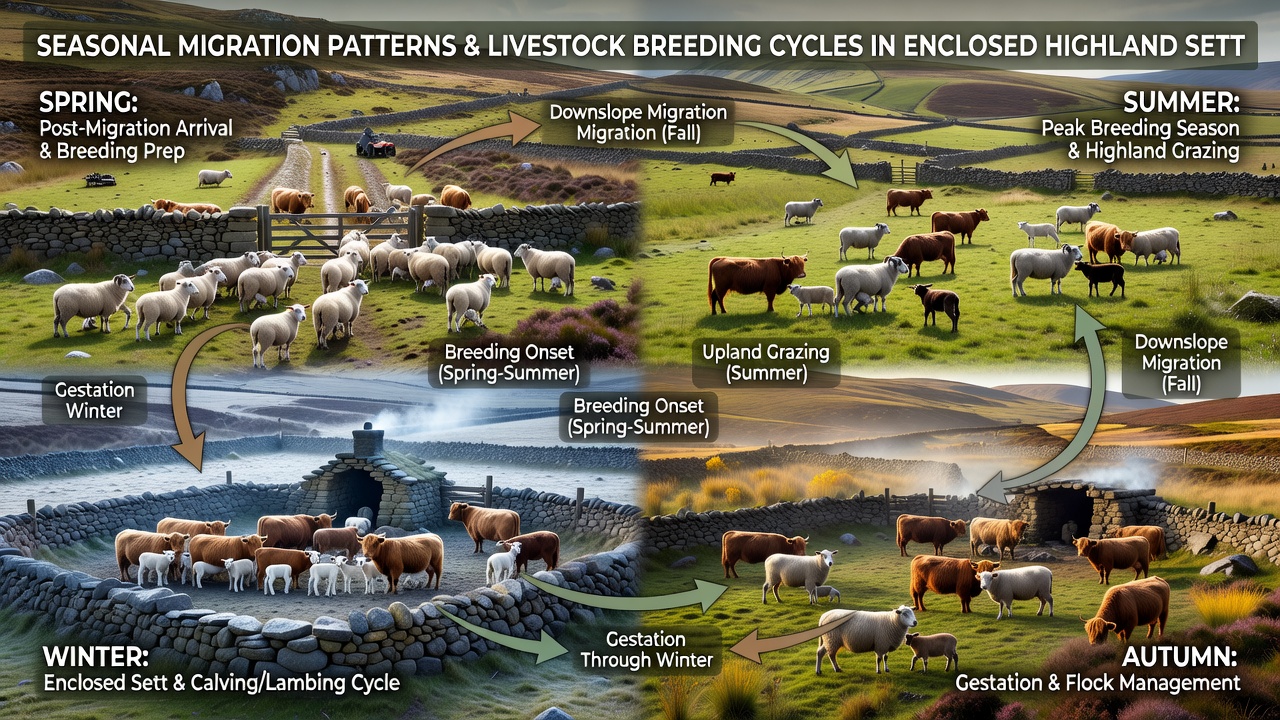
Enclosed settlements amplify these effects because fixed perimeters prevent herds from ranging farther in search of alternative forage, concentrating animals and accelerating grass depletion during extended stays at any single elevation. Breeding management therefore requires precise record-keeping of migration dates alongside ultrasound checks and hormone monitoring, practices that have expanded since 2020 across monitored sites according to reports from the Food and Agriculture Organization. When migrations align with lunar or temperature cues that also trigger estrus, conception rates stabilize, yet any mismatch introduced by weather anomalies forces herders to rely on artificial insemination schedules that carry their own logistical challenges within confined spaces.
Management Adaptations in Enclosed Systems
Settlement operators have responded to shifting patterns by adjusting fence placements and creating transitional corrals that allow staged movements, reducing stress on pregnant animals during descent phases. Rotational grazing within enclosures maintains pasture recovery between migration legs, and this approach has been shown to support consistent weight gains that benefit breeding stock across multiple seasons. Data from long-term monitoring programs reveal that settlements incorporating weather-linked decision tools experience fewer instances of late breeding or reduced litter sizes compared with those following fixed calendars alone.
Young stock born after fall migrations face different challenges than those born during summer highland stays, since lower-elevation winters bring higher disease pressure and require more intensive vaccination protocols before the next ascent. Breeding programs therefore track lineage alongside migration history to identify animals that maintain reproductive performance despite variable conditions, building resilience into the overall herd structure over successive years.
Conclusion
Seasonal migration patterns continue to shape livestock breeding cycles in enclosed highland settlements through their control over nutrition timing, environmental exposure, and management flexibility, with recent observations through September 2026 confirming that even small shifts in migration dates produce measurable changes in conception and survival rates. Enclosed boundaries add layers of complexity that demand coordinated planning between pasture use, breeding calendars, and weather responses, yet settlements that integrate these factors maintain stable reproductive outcomes across changing conditions. Continued collection of movement and breeding data supports refinements in scheduling that align biological cycles with the realities of fixed highland perimeters.