Jordan Lorenz · 9 October 2026
Uncovering the Role of Herbal Knowledge Transmission in Sustaining Health Practices Among Isolated Valley Dwellers
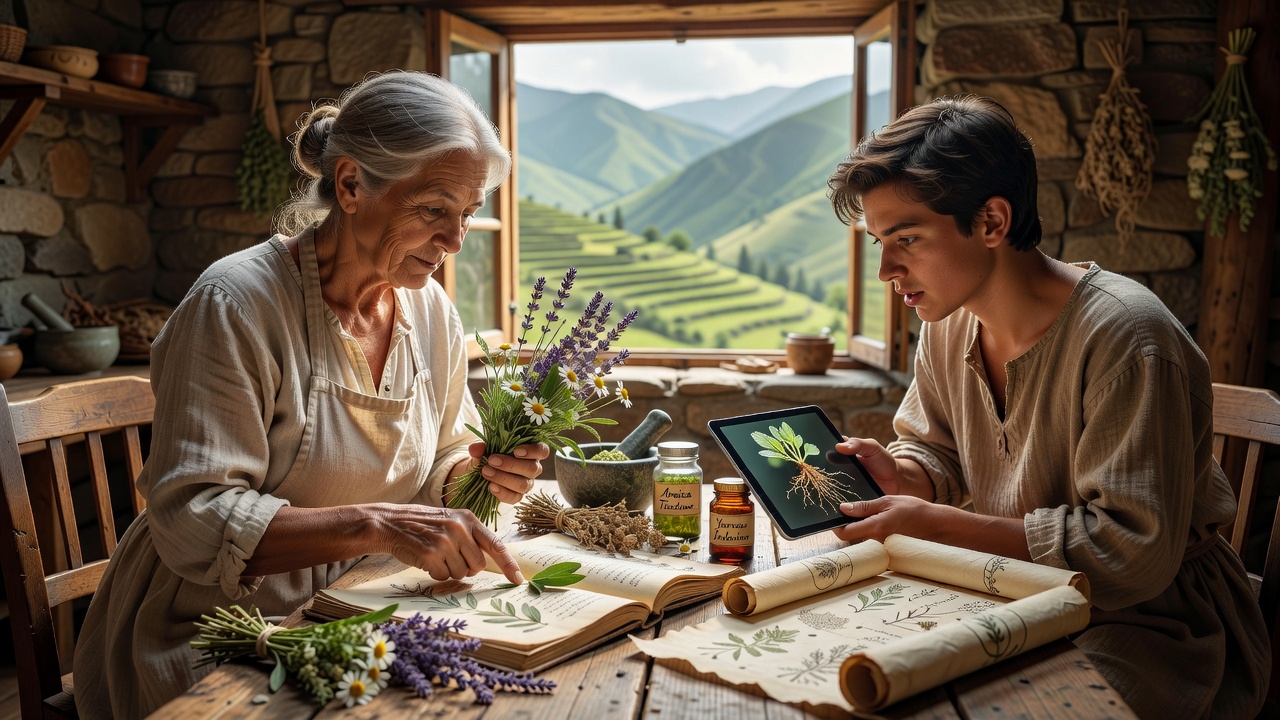
Isolated valley dwellers maintain health practices through generations of herbal knowledge passed along oral traditions and hands-on demonstrations that connect elders with younger community members in structured yet adaptive ways. Researchers have documented these systems in various highland regions where access to external medical facilities remains limited and residents rely on local plant resources for treating common ailments such as respiratory issues, digestive disorders, and skin conditions. Studies indicate that transmission occurs during seasonal gatherings and daily foraging trips where specific identification techniques, preparation methods, and dosage guidelines get conveyed through repeated practice rather than written records.
Pathways of Knowledge Transfer
Observers note that families in these valleys often designate certain individuals as primary keepers of plant lore who then mentor apprentices over several years and this process incorporates storytelling alongside direct observation of plant growth cycles and harvesting times. Data from field surveys show that children begin learning basic distinctions between edible and medicinal species by age seven while adolescents participate in supervised collection expeditions that reinforce both identification skills and ecological awareness. What's interesting is how gender roles sometimes shape the flow of information with women frequently handling knowledge related to reproductive health and child care while men focus on remedies for injuries sustained during herding or construction work yet overlap exists in areas like wound treatment and fever management.
Documented Practices and Plant Species
Ethnobotanical inventories compiled by academic teams reveal that valley communities utilize dozens of native species including various Artemisia varieties for digestive complaints and certain rhododendron extracts applied topically for inflammation. Transmission sessions typically occur at dawn or dusk when light conditions favor plant recognition and participants carry samples back to communal spaces for processing demonstrations that include drying techniques, infusion ratios, and storage conditions suited to the local climate. Research indicates that these methods sustain efficacy across generations because adjustments get made based on observed outcomes and shared experiences during community discussions that follow treatment episodes.
One study revealed that isolated groups in comparable environments maintain over 80 percent consistency in core herbal formulations despite external pressures from migration and climate shifts. Experts have observed that apprentices demonstrate mastery by correctly preparing a set of standard remedies under supervision before they receive permission to treat others independently and this milestone often coincides with participation in larger valley-wide events where knowledge gets cross-verified among multiple lineages.
Contemporary Influences and Adaptations
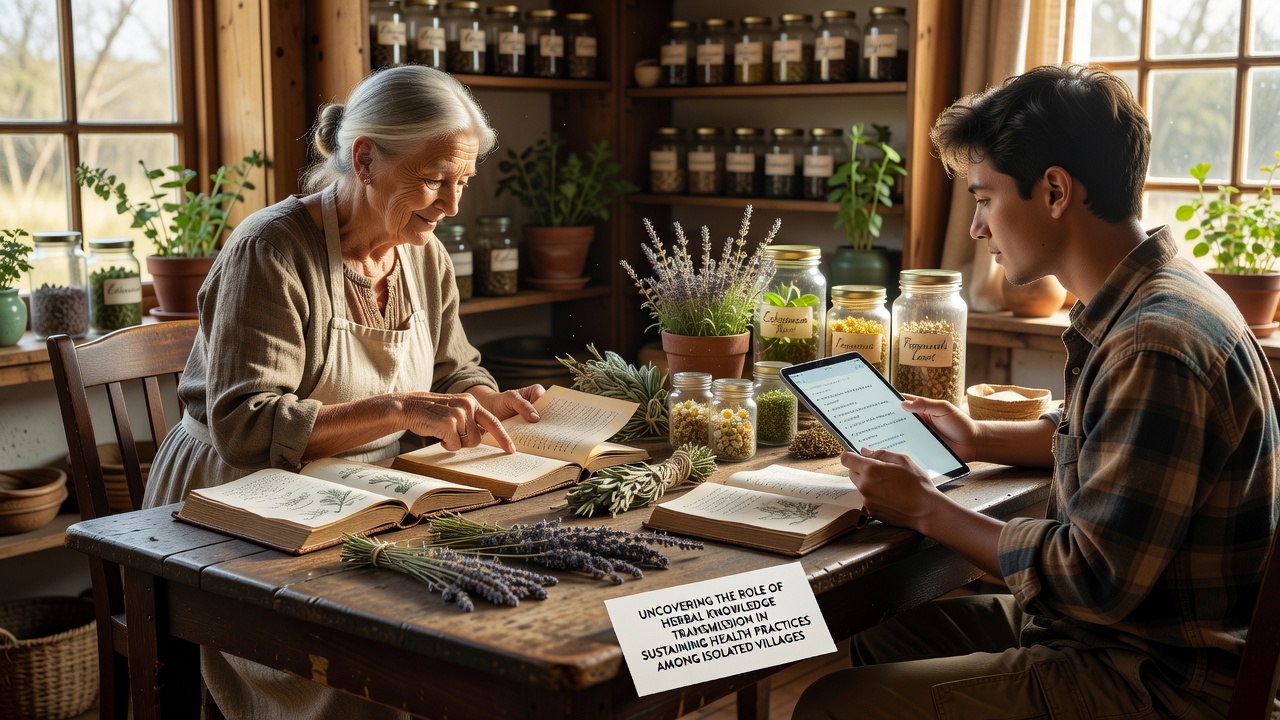
External contacts through seasonal trade and occasional visits from health workers introduce new elements while core transmission structures remain intact because communities integrate verified external information only after testing it against established local results. Figures from regional health assessments show that valleys with stronger intergenerational exchange networks report lower rates of untreated chronic conditions compared to those experiencing rapid population loss among elder knowledge holders. Turns out the ball stays in the community's court when decisions arise about whether to combine traditional preparations with pharmaceutical options and many groups choose selective adoption that preserves plant-based approaches for preventive care.
Academic collaborations documented in reports from institutions such as the Government of Canada science portal highlight successful documentation projects that record oral histories without disrupting natural transmission flows and these efforts often involve community consent protocols that protect proprietary aspects of specific remedies. Similar work conducted through Australian research networks demonstrates parallel patterns in remote highland settlements where digital recording tools supplement rather than replace direct mentoring relationships.
Challenges to Continuity
Population dynamics and environmental changes create pressure points where fewer young people remain in the valleys to receive training and climate variations alter the availability of certain plant species that form the basis of longstanding remedies. Data shows that communities addressing these issues through organized youth programs and seasonal knowledge festivals achieve higher retention rates among potential apprentices. Observers note that external support in the form of school-based ethnobotany modules has proven effective in some locations because it aligns with existing cultural practices rather than imposing formal classroom structures.
Conclusion
Herbal knowledge transmission continues to underpin health practices among isolated valley dwellers through consistent mechanisms of oral instruction, practical apprenticeship, and community verification that adapt to shifting conditions while retaining core elements. Research from multiple regions confirms that these systems deliver measurable benefits in areas where conventional services face logistical barriers and ongoing documentation efforts help preserve details for future reference without interrupting active use. The patterns observed across different valley settings underscore the resilience of these practices as long as transmission pathways stay open and supported by both internal commitment and respectful external engagement.